
"Arabian coffee"
4000 article(s) found
Sao Tome and Principe Democratic Republic of Arabian coffee beans with small quantity, high quality and soft and rich taste
The term "fine coffee" was first put forward by Ms. Knudsen of the United States in Coffee and Tea magazine. At that time, Ms. Knudsen, as a coffee buyer at B.C. Ireland in San Francisco, was very dissatisfied with the neglect of the quality of raw coffee in the industry, and even some big roasters mixed a large amount of Robesda beans in the comprehensive beans, so she put forward the concept of boutique coffee.

The Coffee Culture of Ancient Arabian Coffee
Introduction: coffee culture has a long history, especially in French upper-class society, there are many cultural and artistic salons formed by drinking coffee. In these salons, writers, artists and philosophers spread their imaginary wings under the excitement of coffee, creating countless fine works of literature and art, leaving a number of magnificent cultural treasures for the world. The old Arabian coffee
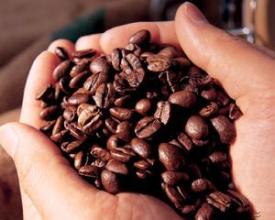
CafeMocha also Mocha Coffee Mocha Coffee Arabian quality Coffee
Anyone who has tasted mocha coffee knows that the unique flavor of Yemeni mocha is fascinating. Mocha coffee (CafeMocha) is one of the oldest coffee, its history can be traced back to the origin of coffee. It is a mixture of Italian espresso, chocolate sauce, whipped cream and milk. Mocha gets its name from the famous port of Mocha. In the 15th century, coffee countries in Central and East Africa were transported outward.

Unique Yemeni Coffee beans Fine Coffee of Arabian Peninsula on the Asian continent of Yemen
Yemeni (Yemen) aroma 4, brightness 4, mellow, 3 flavors, 4.5 aftertaste, 5 points suitable for baking: City/Full city from city to full city is suitable, light baking will highlight the western flavor and spice, while deeper baking will make dark chocolate and smoky taste obvious, at the same time, the taste will be more intense. It should be noted that because the beans are relatively small, plus the size of the particles is quite large.

The spread and development of coffee
European historians argue that as early as 800 years ago, there were artificial coffee trees for trade in Yemen in the southern Arabian Peninsula, and there was historical evidence that at that time, there was indeed trade across the Red Sea between Yemen and Ethiopia.

Yemen is located in the Asian continent of the Arabian Peninsula African coffee flavor single product
Yemeni (Yemen) aroma 4, brightness 4, mellow, 3 flavors, 4.5 aftertaste, 5 points suitable for baking: City/Full city from city to full city is suitable, light baking will highlight the western flavor and spice, while deeper baking will make dark chocolate and smoky taste obvious, at the same time, the taste will be more intense. It should be noted that because the beans are relatively small, plus the size of the particles is quite large.

Ethiopian coffee introduces the world's best Arabian coffee shepherds found
Ethiopia is one of the major producers of Arabica coffee in Africa, producing the best Arabian coffee in the world. It is said that coffee was first discovered by shepherds in Essekafa, and the name of coffee evolved from Kafa, so Essex is still the hometown of coffee. The geographical environment of coffee production and processing is very suitable for coffee growth. Coffee is mainly cultivated.

Coffee originates from Ethiopia or Arabian varieties and manors.
Coffee originates from Ethiopia or Arabic variety manor region introduces Ethiopia's scenery and lakes are the main tourist attractions. The highlands of Ethiopia have fascinating scenery and wildlife. In the Great Rift Valley region of Africa, a variety of endemic and common wild animals and birds can be seen, and there are a lot of vehicles going to this area. Strong on the Blue Nile

Philippine Coffee produces Arabian Coffee with High quality and High yield
Coffee was introduced into the Philippines (Philippines) in the early 19 th century, and by 1880 the country had become the world's fourth largest coffee exporter. However, due to the spread of coffee rust, the country became a coffee importer soon after 1880. However, the coffee growing industry has gradually recovered. Today, after slow and steady development, the country's coffee industry continues to grow and develop high-quality varieties.
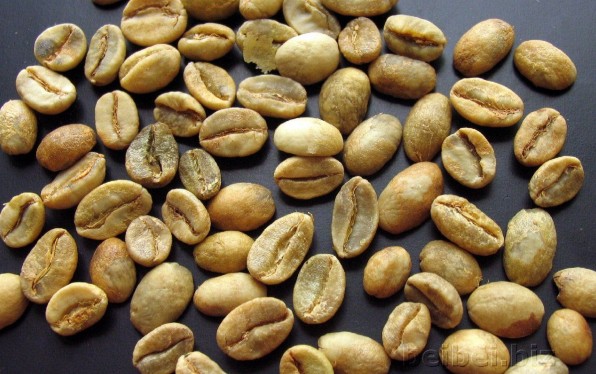
Introduction of world boutique coffee beans; Ethiopia (Ethiopia) mocha coffee raw beans
The hometown of Arabian coffee, growing up at high latitudes, needs a lot of manual care. Here is the famous Ethiopian mocha, which has a sour taste similar to that of wine, fragrant and productive. Ethiopia (Ethiopia) Mocha Coffee Raw Bean Ethiopia mocha green bean Arabica Coffee is the hometown of Arabian Coffee, which grows in high places.

Ethiopia (Ethiopia) mocha coffee raw beans
Arabian coffee is the hometown of Arabian coffee, which grows at high latitudes and needs a lot of manual care. Here is the famous Ethiopian mocha, which has a sour taste similar to that of wine, fragrant and productive. Ethiopia also sells coffee through the port of Mocha in neighboring Yemen across the Red Sea, so Ethiopian sun-treated coffee is often called Mo.
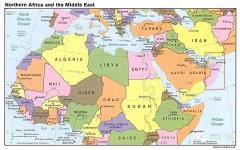
About raw beans coffee beans in Asia and Arabian Peninsula
Ndonesia Java Jumpeter Indonesia | Indonesia Java Jampit Indonesia Sumatra Manning G1 | Indonesia Sumatra MandhelingGrade1 Indonesia Sulawesi Tonaga | Indonesia Sulawesi Toraja India Indian Monsoon Malabar AA Coffee | Indian Monsooned Malabar AA Viet
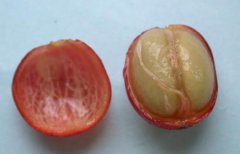
Magic "Blackwater"
In the eighth century AD, there was a magical black water called Qahwa in the Arabian Peninsula, which was said to restore physical strength, exuberance, and no sense of purpose. The tenth century Muslim philosopher and Iranian doctor Avicina Ibn Sina,980-1037 recorded a plant from Yemen called Bunchum, which is said to be something like coffee. As early as

The first cup of coffee in the world comes from the source and history of Arabian coffee.
If you ask an Arab friend what his most indispensable diet is, nine times out of ten he will hold out two fingers, dates and coffee. The Arab region is the main jujube growing area, where people love dates are well known, and coffee is generally closely related to European and American fashion and business atmosphere, how can it be an indispensable element of Middle Eastern customs? In fact, the first cup of coffee in the world

World boutique coffee manor Ethiopian coffee beans; introduction of Ethiopian mocha coffee raw beans
The hometown of Arabian coffee, growing up at high latitudes, needs a lot of manual care. Here is the famous Ethiopian mocha, which has a sour taste similar to that of wine, fragrant and productive. Ethiopia (Ethiopia) Mocha Coffee Raw Bean Ethiopia mocha green bean Arabica Coffee is the hometown of Arabian Coffee, which grows in high places.
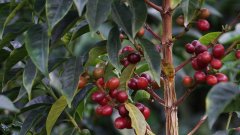
Zaire's Arabian coffee beans have long been famous for both quality and quantity.
Its Arabica coffee beans have long been famous for both quality and quantity. The best Zaire coffee is grown in the north-east of the country, particularly in the provinces of Oriental and Kivu, where in the past excellent beans and giant beans have been produced. Unfortunately, the high-quality coffee produced in Zaqire is dwindling, but Zaire

Robusta and Arabian coffee beans distinguish flavor description taste characteristics grinding scale
Robusta and Arabica coffee beans distinguish flavor description taste characteristics grinding scale Arabica is more expensive. Most instant coffee is robusta, and cheap coffee is robusta. Although we can buy Arabica coffee at a higher price, Arabica coffee is not necessarily of high quality. In general, the particle size of Robusta

Yemeni coffee in the Arabian Peninsula of the Asian continent has a unique, wild and complex Yemeni boutique coffee.
Boutique coffee (specialty coffee) is also called specialty coffee selection coffee. It refers to coffee made from a small number of raw beans with excellent taste grown in an ideal geographical environment. Depending on the special soil and climatic conditions in which they grow, they have outstanding flavor. After strict selection and classification, this kind of coffee is hard in texture, rich in taste and stylish.
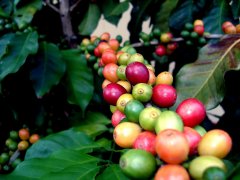
The Origin and cultivation of Coffee: how Starbucks Coffee is grown? what's so special about the conditions of coffee cultivation?
Professional coffee knowledge exchange more coffee bean information please follow the coffee workshop (Wechat official account cafe_style) A coffee tree bears fruit several times a year. Geographically, there are three global coffee growing areas: East Africa and the Arabian Peninsula, Southeast Asia and the Pacific Rim, and Latin America. Coffee grown in different regions has different flavors.